
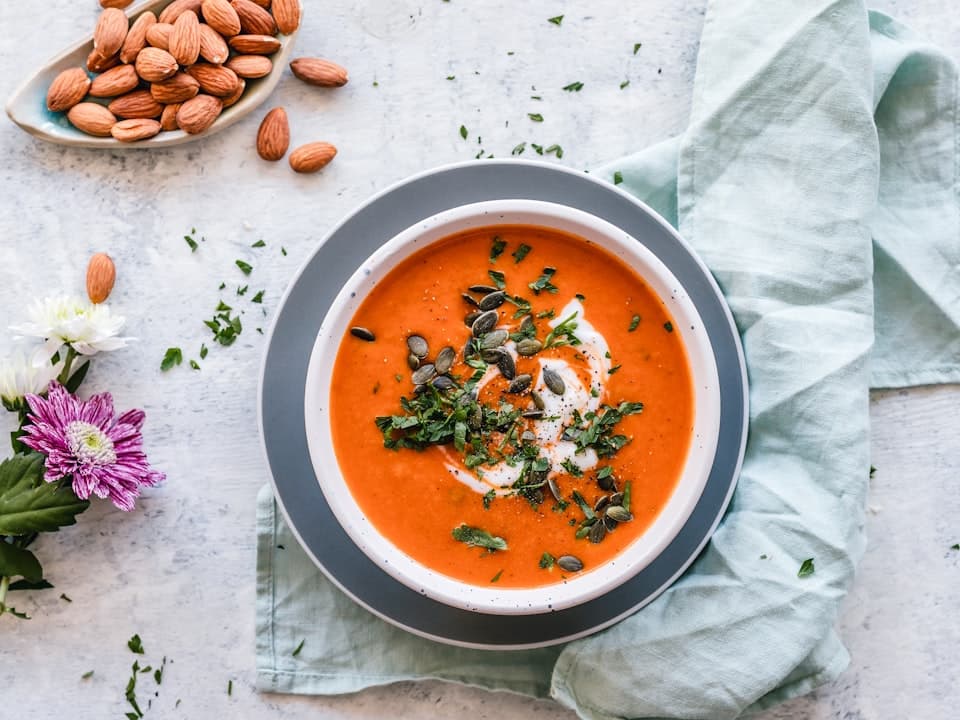
When someone in the family is ill, a simple meal can be comforting. It cannot cure a cold or a stomach infection. Choose food around the person's appetite, age and symptoms, and ask a clinician for advice when you are concerned.
For a child who is vomiting or has diarrhea, fluids come first. The American Academy of Pediatrics (AAP) explains when small, frequent amounts of a commercial oral rehydration solution may be appropriate; infants may need breast milk or formula. Soup, sports drinks and homemade mixtures are not substitutes for a properly formulated rehydration solution. Call the child's clinician promptly if they cannot drink, become unusually sleepy, or show signs of dehydration.
As vomiting eases and the child wants food, return to their usual, age-appropriate balanced diet as tolerated. The AAP does not recommend the restrictive BRAT diet as a recovery plan. Rice, toast or applesauce may be foods a child likes, but they are not a complete diet.
Never give honey to a child under 12 months, including in tea, on toast or in yogurt, because of the risk of infant botulism (CDC). For older children, ask a pediatrician about cough care rather than treating a recipe as medicine. Ginger can be a flavoring, but the NCCIH does not establish a general therapeutic dose for children. And milk does not cause the body to make more phlegm, according to Mayo Clinic; if dairy worsens an individual child's diarrhea, ask their clinician what to offer.
Ten flexible meal ideas
Offer small, familiar portions if wanted. The list is for comfort and ordinary nourishment, not a treatment plan. Adapt textures and ingredients to the person's age, allergies and clinician's instructions.
Chicken noodle soup
Vegetables, noodles and thoroughly cooked chicken in warm broth. Follow the thermometer-checked recipe below.
Simple broth
Warm prepared broth for comfort. It is food, not an oral rehydration solution for vomiting or diarrhea.
Rice porridge
Cook rice in water or broth until soft. Add fully cooked egg or another familiar protein if wanted.
Ginger and lemon drink
Steep a little ginger for flavor. Honey is optional only for children aged 12 months or older and adults.
Toast with a familiar spread
Plain toast or a spread the person already tolerates. Honey must not be given under 12 months.
Scrambled eggs and toast
Cook eggs thoroughly and serve a small portion with toast if appetite allows.
Miso soup with tofu
A warm option for people who already eat soy; mind the salt and adapt for age and allergies.
Banana and plain yogurt
A small, familiar snack. Ask a clinician if dairy seems to worsen diarrhea; no honey under 12 months.
Rice with warm broth
Soft rice with broth and, if wanted, vegetables or protein. Broth does not replace rehydration solution.
Applesauce
One easy option alongside other age-appropriate foods, not a stand-alone BRAT diet.
A low-effort sick-day pantry
Keep a few foods your household actually eats: rice, noodles, canned or boxed broth, eggs, frozen vegetables and a ready-to-heat meal. If your child's clinician has advised an oral rehydration solution, keep a commercially prepared one and follow the directions. A paper note on the cupboard can say who will prepare food and who will check on the ill person. No app or purchase is needed for that small plan.
Full recipe: chicken noodle soup
This makes an ordinary meal, not a medical treatment. Cooking times are estimates: the chicken is ready only when a food thermometer reads 165°F (74°C) in the thickest part (CDC). Keep raw chicken and its juices away from ready-to-eat ingredients.
Chicken Noodle Soup
Ingredients
Soup base
- 1 lb (about 450 g) boneless, skinless chicken thighs
- 2 tbsp olive oil
- 1 large onion, diced
- 2 carrots, sliced
- 2 celery stalks, sliced
- 3 garlic cloves, minced
Broth and noodles
- 6 cups (about 1.4 L) chicken broth
- 4 oz (about 115 g) egg noodles
- Juice of half a lemon
- ¼ cup chopped parsley
- Salt and pepper to taste
Steps
- 1
Soften the vegetables
Heat oil in a large pot. Cook onion, carrot and celery until softened; add garlic for the final minute.
- 2
Cook and check the chicken
Add chicken and broth; bring to a boil, then simmer. Cooking time varies. Use a food thermometer in the thickest part of each thigh and continue cooking until it reaches 165°F (74°C).
- 3
Shred safely
Remove the cooked chicken to a clean plate, shred it with clean forks, and return it to the simmering pot.
- 4
Cook the noodles
Add noodles and cook according to the package until tender, usually 6–8 minutes.
- 5
Finish
Stir in lemon and parsley. Season to taste, cool to a comfortable serving temperature and serve.
Notes
- Refrigerate leftovers within 2 hours; keep raw chicken surfaces and utensils separate from cooked food.
- Freeze the soup without noodles if convenient, then add cooked noodles when reheating.
- For vomiting or diarrhea, this soup is not an oral rehydration solution. Follow your child’s clinician’s advice about fluids and return to usual food as tolerated.
What the evidence does and does not show
A 2000 laboratory study observed an effect of chicken soup on isolated immune cells in vitro. It did not test whether soup shortens illness or improves recovery in families. Serve soup because it is a familiar meal someone may enjoy, not because it has a proven curative effect.
For the food and safety guidance above, consult the AAP on diarrhea and diet, AAP on hydration during vomiting, CDC on chicken cooking, CDC on honey for infants, Mayo Clinic on milk and phlegm and NCCIH on ginger.
Nestify can help a family keep a shared recipe or shopping list. The public web experience is free during Early Access; Premium AI access in the mobile and pad apps depends on the current in-app terms. This meal plan also works on paper. What matters is that the people caring for one another know what has been agreed.